
Problems & repairs
Wall panelling on damp walls: diagnose the moisture before fitting
A decorative covering cannot establish why a wall is wet or make the cause disappear.
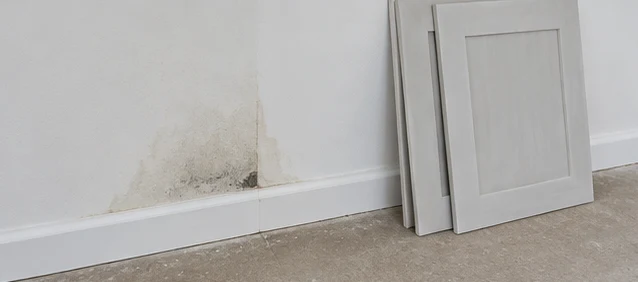
Panelling can make a stained wall look finished while leaving the moisture problem unresolved behind it. That is why the first decision is not which board or adhesive to use, but whether the wall is suitable to cover at all. Dampness can arise from leaks, rain penetration, condensation or other building conditions, and different causes need different responses. This guide is about investigating moisture before a new installation, rather than repairing cracks or gaps in existing panelling. If the wall is actively damp or its condition is uncertain, pause the decorative work and arrange an informed assessment before materials are ordered.
Record the symptoms without assuming the cause
Note where staining, peeling paint, mould, salts or a musty smell appear, and when they change. A patch after heavy rain may suggest a different investigation from moisture concentrated on cold surfaces during winter. These observations help an assessor build a picture, but no single pattern proves a diagnosis. Do not label every low-level mark as rising damp or every dark patch as condensation.
Include what happens elsewhere: roof or gutter defects, plumbing changes, an adjoining bathroom and previous repairs may all be relevant. Photographs taken over time can show whether a patch is expanding or seasonal. Avoid stripping or sanding unknown older finishes to investigate yourself, particularly where asbestos may be a concern. Safe investigation should come before destructive preparation for decorative work.
Ask for recommendations to separate essential moisture repairs from optional decorative improvements. That distinction makes it easier to decide what must happen before panelling and what can be chosen later. A written explanation should identify the evidence for the diagnosis, any limitations and the proposed follow-up. If the advice amounts only to covering the wall with a particular product, seek a fuller assessment before proceeding.
Look beyond the surface that will be covered
A competent assessment should consider the wall's construction, condition and surroundings, not just its painted face. Rainwater defects, plumbing leaks, bridging details and moisture from indoor air can require different expertise. The aim is to identify the source and contributing conditions, then decide what repair or management measures are appropriate. Selling a covering system is not the same as diagnosing the building.
Older solid walls and modern cavity or framed walls do not necessarily behave alike. Previous impermeable coatings or inappropriate alterations may also affect moisture movement. If a proposed solution involves insulation, membranes or substantial changes to the wall build-up, seek suitable building-physics advice. Panelling should not become an unassessed retrofit simply because a decorative board can hide the existing finish.
Understand the limits of moisture readings
A handheld meter can contribute useful information, but a single number is not a complete diagnosis. The Property Care Association's guidance explains that moisture meters cannot distinguish the source of dampness. Readings need interpretation alongside the material, construction, location and wider evidence. Salts and material differences can complicate the meaning of electrical meter readings on masonry.
Ask the assessor what was measured, what the results indicate and what remains uncertain. There is no universal masonry reading that automatically gives permission to fit every panelling system. The relevant requirements depend on the substrate, board, adhesive, finishes and proposed build-up. Where further monitoring or investigation is needed, agree that before treating a reassuring surface reading as a final sign-off.
Do not mistake moisture-resistant board for a remedy
Moisture-resistant MDF is intended for specified conditions and uses; it is not waterproof and does not repair a damp wall. Timber and sheet materials can change dimension or deteriorate when exposed to unsuitable moisture conditions. Sealing edges or choosing a more tolerant board may be part of a suitable installation, but neither measure removes the source of water.
Similarly, battens and an air gap are not a universal cure. Covering a cold or damp surface changes the local conditions and can conceal ongoing deterioration. An unplanned void may leave moisture unnoticed rather than solve it. If a ventilated cavity or specialist lining is proposed, its design needs an appropriate assessment instead of an assumption that any gap behind panelling will keep the wall dry.
Address condensation without blaming a single habit
Condensation occurs when moisture in the air meets a sufficiently cold surface. The Property Care Association highlights cold walls and areas with limited air movement as common locations. Heating, ventilation, indoor moisture generation and the building's thermal performance can interact. A useful assessment considers that combination rather than assigning the entire problem to one activity or promising that one product will cure it.
Panelling may alter the temperature and air movement at the original wall surface, so it should not be treated as an automatic condensation treatment. If mould is extensive, recurring or associated with health concerns, seek appropriate professional and health advice. Do not simply enclose it behind new boards. Any cleaning and remedial work should form part of the wider moisture plan, not substitute for investigating why it returns.
Set a clear point for approving the installation
Repairing the cause is not always the same as having a substrate ready to cover immediately. Ask what drying, follow-up inspection or monitoring is appropriate after the remedial work. The elapsed time alone cannot establish readiness, and a briefly dry-looking surface may not represent the condition deeper in the wall. Agree the evidence needed with the assessor and the panelling installer.
Once the wall is considered suitable, specify the complete panelling system and follow its requirements for substrate preparation, acclimatisation, fixing and finishing. Keep the diagnosis and repair records alongside the installation details. Consider how a previously affected area can be checked in future, especially if symptoms return. A successful decorative result starts with a defensible decision to cover the wall, not simply a neat board over an unexplained stain.
Questions we're asked about this
Planning panelling on a previously damp wall?
Arrange moisture assessment first, then include the findings and completed remedial work in the joinery brief before choosing the lining system.
Get a free quote
Reply within 24 hours - No obligation