
Planning, process & cost
Timber Gate Maintenance: Cleaning and Recoating
Keep the coating information, inspect exposed details and recoat when the specified system needs it.
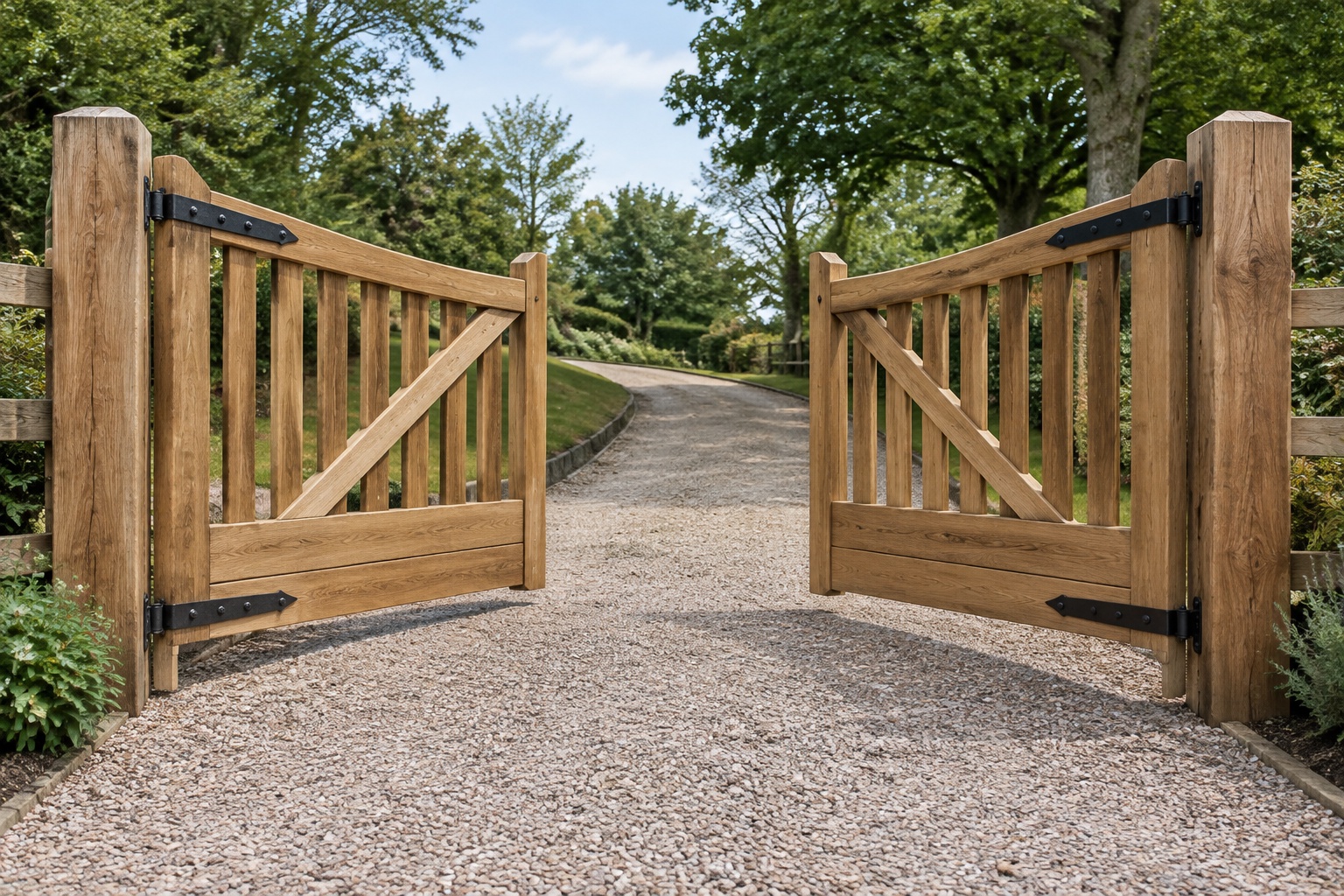
Timber gate maintenance is a repeating cycle of cleaning, checking and renewing protection where the chosen finish requires it. There is no universal annual coating rule: paint, stain, oil and intentionally unfinished timber have different instructions and weather differently. Start by identifying what is already on the gate. The aim here is to maintain sound joinery and its finish, not to diagnose sagging gates or choose timber for a replacement.
Create a finish record before setting a schedule
Find the installation paperwork, leftover container or previous maintenance notes. Record the product name, colour, preparation method and date of application where known. Download the current manufacturer's instructions and check that they cover the existing coating and intended exterior use. If the finish is unknown, ask a decorator, carpenter or coating supplier how to identify a suitable maintenance approach; guessing that any exterior product will adhere can create avoidable failure. Note which faces get strongest sun, driving rain or shade. Use the product's inspection and maintenance guidance as the starting point, then review sooner after damaging weather or visible deterioration. A diary reminder should prompt an inspection, not automatically trigger another coat.
Clean gently enough to preserve the protection
Remove loose leaves and grit with a soft brush before washing. Use the cleaner and dilution approved for the finish, applying it to an inconspicuous area first if instructed. Work gently around joints, mouldings and metal fittings, and avoid leaving water pooled on rails or against end grain. Rinse as directed without saturating the gate. High-pressure washing can damage fibres and force water into joints, so do not treat it as the default cleaning method. Keep runoff away from sensitive planting and drains according to the cleaner's instructions. Allow the timber to dry before judging the coating: a wet surface can temporarily disguise faded patches, bare edges and fine cracks.
Inspect the details that weather first
Once the surface is clean, look along top edges, lower rails, joints and cut ends for thinning finish, flaking, discolouration or open cracks. Compare exposed and sheltered faces rather than judging everything from the most visible side. Check where hardware interrupts the coating and where water may sit around fixings. Look at accessible post surfaces and the ground line without digging around supports or destabilising them. Photograph concerns from the same angle on successive checks so changes are easier to recognise. Do not disguise soft, crumbly timber or significant joint movement with filler and fresh paint. Those findings need assessment before routine coating work continues, because a finish cannot restore lost structural strength.
Check hardware without turning care into repair
Observe hinges, latches, bolts, stops and holdbacks for loose parts, corrosion, stiffness or missing components. Use only the lubricant and maintenance method recommended for the hardware, keeping products off timber where they could affect later coating adhesion. Do not dismantle load-bearing fittings on a heavy gate or adjust hinges merely because a latch feels tight. If the leaf moves unpredictably, catches the ground or cannot be held securely, stop using it where practicable and arrange a competent inspection. Keep hands clear of hinge and meeting-edge pinch points during any gentle operational check. Routine care can reveal a developing defect, but correcting gate alignment or failing supports is a separate repair task.
Choose the preparation from the coating instructions
Some systems accept a maintenance coat after cleaning and light abrasion; others require loose material to be removed and bare areas primed before further coats. Follow the specific process rather than sanding everything aggressively or putting oil over an unidentified film coating. Protect nearby surfaces and hardware, and control sanding dust with suitable extraction and protective equipment. Older coatings may contain hazardous substances, including lead; arrange appropriate assessment and a safe method before disturbing suspect layers. Avoid dry sanding an unknown old finish. Collect debris rather than sweeping it into soil. Stop if preparation reveals decay, extensive cracking or loose joints, and agree remedial work before applying anything that could obscure the problem.
Recoat only when the timber and weather are suitable
Read the permitted temperature, moisture and weather conditions on the product instructions, including drying and overcoating requirements. A dry-looking face can conceal moisture in joints or lower edges, so allow sufficient drying after washing or rain and use the assessment method the system requires. Avoid working in conditions outside the stated limits, including strong direct sun where prohibited. Apply the specified number of coats at the recommended coverage and treat vulnerable edges as instructed. Do not paint over moving hardware or drainage paths. Keep people and pets away while work is wet and during required curing. Where taking the gate off would be necessary, arrange competent help rather than attempting to support a heavy leaf alone.
Maintain the surroundings as well as the surface
Trim vegetation so it does not hold wet leaves against the timber or prevent inspection. Clear accumulated soil, litter and grit from the immediate area without undermining posts or altering drainage. Keep accessible bolt sockets and stops free of debris using a safe method suited to the hardware. Check that watering systems do not repeatedly soak one face of the gate. Store cleaners and coatings in their labelled containers away from children and ignition sources as directed. Dispose of residues and containers through appropriate local arrangements. Oil-soaked cloths can self-heat: follow the product's handling and disposal instructions instead of leaving them crumpled in a bucket, shed or general rubbish bag.
Use a condition-led calendar and a clear work brief
Put the manufacturer's inspection interval in your household diary, adding checks after storms, impacts or building work nearby. Record cleaning dates, defects found and any areas recoated, together with the product batch if available. This creates a practical history without promising a fixed service life. When hiring someone, ask them to name the proposed finish system, explain compatibility with the existing coating and describe preparation, weather allowances and waste handling. Confirm whether hardware care and inaccessible edges are included, and how unexpected decay will be reported. At completion, retain the instructions and review date. A useful maintenance plan tells the next person what to inspect and why, rather than simply saying “paint every year”.
Questions we're asked about this
Discuss a gate condition check
When making a gate enquiry, include photographs of the whole leaf, exposed edges and any finish information you have.
Get a free quote
Reply within 24 hours - No obligation